
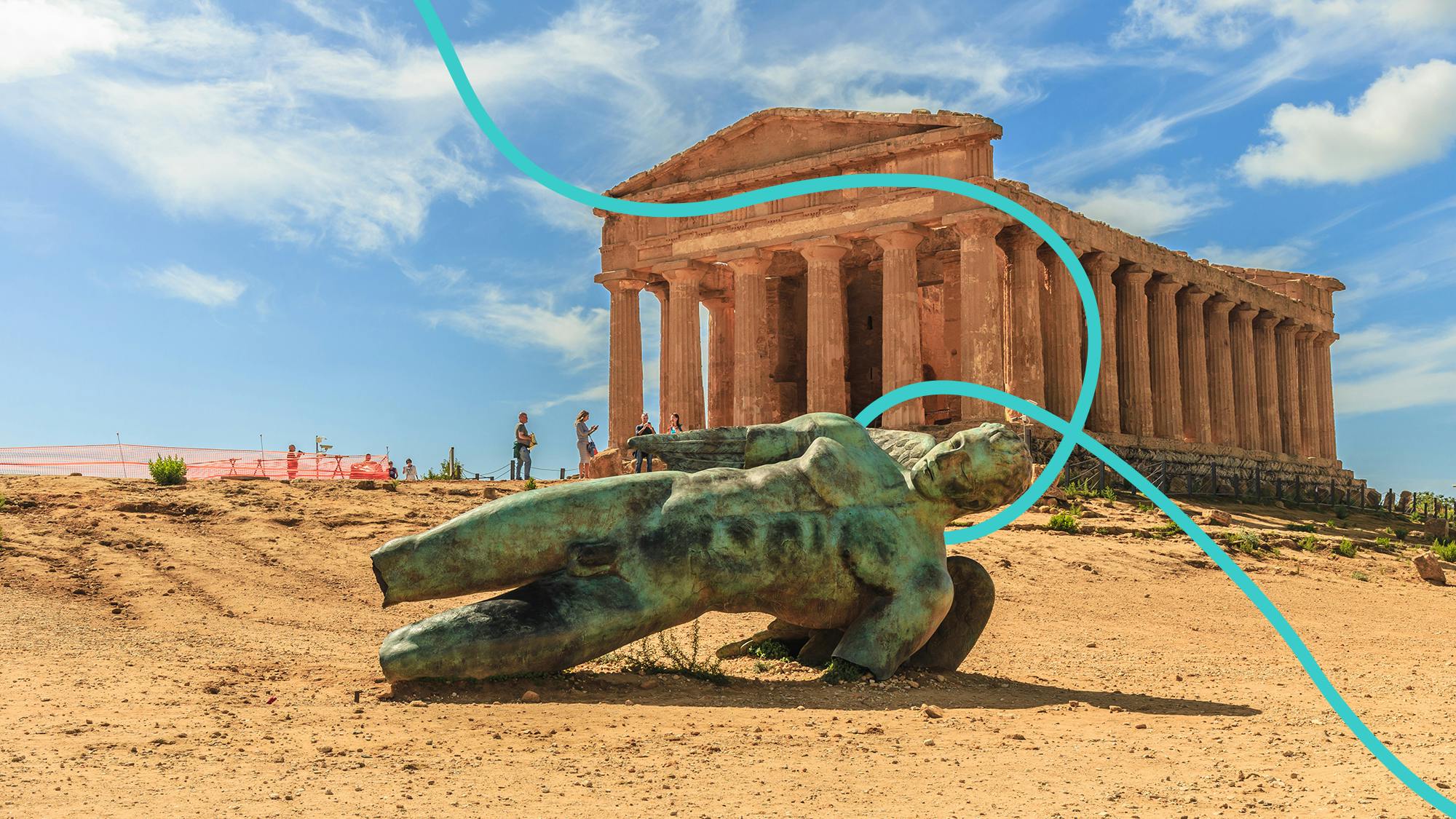
Italy has a problem most countries would kill for: too many extraordinary places within too small an area. The country packs Florence, Rome, Venice, Milan, Cinque Terre, the Amalfi Coast, and Sicily into a landmass smaller than California - and every one of them delivers something genuinely irreplaceable. The challenge isn't finding things worth doing. It's avoiding the mistakes that turn an Italian trip into an expensive queue-standing exercise. The Colosseum without a pre-booked ticket in July is a 90-minute wait in 37°C sun. The Uffizi without a reserved time slot means potentially not getting in at all. And a gondola ride booked on the spot from a canal-side tout costs €20 more than the same ride booked an hour earlier. This guide covers the real prices, the genuine queue realities, and exactly which Italian experiences live up to the reputation.
This post contains affiliate links. If you book through them, I earn a small commission at no extra cost to you - it helps keep this blog running. Thank you!
Start with Italy's top-rated attraction tickets and real-time prices - Uffizi Gallery, Colosseum, Vatican Museums, Brunelleschi Dome, Venice vaporetto passes, Milan Duomo, and more. Prices vary significantly by season and the best time slots book out weeks ahead in summer.
Getting to Italy: Flights, Trains, and Getting Between Cities
Italy has multiple international airports. Rome Fiumicino (FCO) and Milan Malpensa (MXP) handle most transatlantic arrivals; Florence, Venice, Naples, and Bologna all have direct connections from major European hubs. Return flights from London run £70-£180; from New York to Rome or Milan expect $420-$750 return. Within Italy, the Trenitalia high-speed Frecciarossa network connects the major cities faster and more conveniently than flying once you factor in airport time.
| Route | High-Speed Train | Cost (booked ahead) | Journey Time |
|---|---|---|---|
| Rome to Florence | Frecciarossa | €20-€50 | 1h30m |
| Rome to Venice | Frecciarossa | €35-€75 | 3h45m |
| Rome to Milan | Frecciarossa | €30-€70 | 3h |
| Florence to Venice | Frecciarossa | €20-€45 | 2h |
| Milan to Venice | Frecciarossa | €15-€35 | 2h30m |
Book train tickets on trenitalia.com or italotreno.it at least 2-3 weeks ahead for the cheapest fares - the €20 Rome-Florence tickets exist but disappear fast. Within cities, metro systems operate in Rome, Milan, and Naples; Florence and Venice are best navigated on foot. Venice has no cars - the ACTV vaporetto water bus network is the only motorized transport inside the island city.
When Is the Best Time to Visit Italy?
April, May, and September are the best months to visit Italy. Temperatures run 18-26°C, major attractions have manageable queues, and hotel prices sit 25-40% below peak summer. The light in Tuscany in late April is exactly what every Renaissance painter was trying to capture. September combines summer warmth with the grape harvest, shorter queues at the Vatican, and a local energy that August drains out of Italian cities.
July and August are the extreme months. Rome hits 36-40°C - the kind of heat that makes cobblestone walking genuinely unpleasant after 11am. Venice smells in August. The Amalfi Coast roads turn into one long traffic jam. Florence's museums close earlier and fill faster. Come in June if you want summer without the worst of it - 5-7°C cooler than August, 30% cheaper hotels, and queues that are difficult rather than impossible. October and November offer excellent value - harvest season, truffle festivals in Umbria, and near-empty museums.
Florence: The Art Capital of the World (With Real Prices)
 Florence's Duomo and Brunelleschi's dome dominate the city skyline - the greatest feat of Renaissance engineering
Florence is the most concentrated collection of Renaissance art on earth - the Uffizi alone holds 80 rooms of work that changed the trajectory of Western painting. Getting the most from Florence requires advance planning: the city's top museums implement timed-entry systems that fill up weeks ahead in peak season. Florence attraction tickets with skip-the-line entry for the Uffizi, Brunelleschi Dome, and Palazzo Pitti are significantly cheaper bought in advance and prevent the frustration of arriving at a sold-out site.
Uffizi Gallery
The Uffizi is the world's greatest collection of Italian Renaissance painting, full stop. Entry is €25 with reserved entry plus audio guide - one of the better values in Italian museum admission given the depth of the collection. Eight rooms dedicated to Caravaggio alone. Botticelli's Birth of Venus and Primavera occupy the same room. Leonardo da Vinci's Annunciation is here, along with Raphael, Michelangelo, and Titian. Book Uffizi Gallery reserved entry tickets at least 3-4 weeks ahead for June-August - the 9am and 2pm slots disappear first. Budget 3 hours minimum. Rating: 4.4 from 10,060 reviews.
Brunelleschi's Dome and Florence Cathedral
Brunelleschi solved the engineering problem that had defeated every architect in Europe for 100 years - how to dome the Florence Cathedral without collapsing it - and built the largest brick dome in history in the process. The premium skip-the-line ticket is €58 (currently discounted from €69) and includes dome climb, cathedral, baptistery, museum, and bell tower. The view from the top after climbing 463 steps - looking out over the terracotta rooftops to the Tuscan hills - is genuinely one of the best things you can do in Italy. Brunelleschi Dome skip-the-line tickets sell out 2-3 weeks ahead in summer. Rating: 4.4 from 1,804 reviews.
Palazzo Pitti and Boboli Gardens
The Pitti Palace complex on the south bank of the Arno is where Florentines hide from the Uffizi crowds. Entry with audio guide is €30 and covers the Palatine Gallery (Raphael, Rubens, Titian), the Royal Apartments, and the Costume Museum. The Boboli Gardens behind the palace (€18 separately) are among the finest Italian formal gardens in existence - 111 acres of fountains, grottos, and statuary climbing the hillside. The Kaffeehaus at the garden's highest point has views over Florence that most visitors never find.
- Accademia Gallery: €16 entry. Michelangelo's David is here - the 5.17-metre original. Queue without a pre-booked ticket runs 60-90 minutes in summer. Book ahead without exception.
- Piazzale Michelangelo: Free. The hilltop panorama south of the Arno is the best free view of Florence. Arrive at sunrise or golden hour - the light on the Duomo from this angle is extraordinary.
- Oltrarno neighborhood: Free to walk. The artisan quarter south of the Arno has the best independent restaurants and wine bars in the city.
- San Miniato al Monte: Free. The 11th-century basilica above Piazzale Michelangelo has Gregorian chant at 5:30pm daily and views that outshine its famous neighbor below.
Rome: The Attractions Most Guides Treat as Afterthoughts
 The Colosseum at dusk - the most recognizable structure from the ancient world, built for 50,000 spectators
Rome's most famous attractions need no introduction - but the supporting cast is where the city surprises people. Rome's top-rated museum and attraction tickets include Castel Sant'Angelo, the Capitoline Museums, and the Catacombs alongside the headline sites - and these often deliver more per euro than the Colosseum and Vatican combined.
Colosseum, Roman Forum, and Palatine Hill
The combined ticket is €18 (or €29 with skip-the-line priority) and covers the Colosseum, Roman Forum, and Palatine Hill. The Colosseum is the most recognizable structure in the ancient world - 50,000 spectator capacity, built in 8 years between 70-80 AD. Book Colosseum skip-the-line entry tickets before you land in Italy, not after you arrive in Rome. Walk-up queues in July hit 90 minutes. The underground arena floor tour (€9 extra) is worth it - standing where gladiators waited to enter the arena is genuinely affecting. The Roman Forum and Palatine Hill are included and take another 2-3 hours - most visitors rush them to get back to the hotel. Don't.
Vatican Museums and Sistine Chapel
The Vatican Museums hold the largest art collection assembled by any single institution in history - 54 galleries, 70,000 works on display. The Sistine Chapel is at the end. Entry is €20 online. Vatican Museums skip-the-line tickets for the 8am opening slot are worth every euro in summer - you'll have 30-45 minutes in the Sistine Chapel before the crowd density makes concentration difficult. The Gallery of Maps and Raphael Rooms before the Sistine Chapel are world-class and most visitors sprint through them. Budget 4 hours for the full experience.
Castel Sant'Angelo
Entry is €20 with audio guide app - and it consistently punches above its reputation. Built as Emperor Hadrian's mausoleum in 135 AD, converted to a papal fortress in the Middle Ages, the Castel has one of the most layered histories of any building in Rome. The rooftop terrace at sunset has the best view of St. Peter's Basilica and the Tiber bend in the city. Castel Sant'Angelo entry ticket with audio guide - 4.5 stars from 6,279 reviews, more consistently rated than either the Colosseum or the Vatican.
Capitoline Museums
The world's first public museum, opened in 1471. Entry is €21.50 and the collection includes the original Marcus Aurelius equestrian bronze, the Capitoline Wolf, and the finest collection of Roman portrait busts anywhere. The rooftop terrace of the Palazzo dei Senatori directly above the Roman Forum offers a view most visitors to Rome never find. Rated 4.5 from 1,165 reviews. Rarely has a queue problem.
Venice, Milan, and the Best of Northern Italy
 Venice's Grand Canal with gondolas - the city has no roads, only 177 canals and 400 bridges
Venice's ACTV vaporetto water bus network is the only motorized transport on the island. The Venice vaporetto pass costs €12 for 24 hours (€20 for 48h) and covers unlimited rides on all vaporetto lines. Individual tickets are €9.50 each - if you're taking more than two journeys in a day, the pass is the obvious choice. The Classic Gondola Ride is €39 (shared gondola) to €80+ (private) - book from an official gondola station rather than accepting tout prices on the canal side. Murano glass island and the Doge's Palace (€30 entry, mandatory advance booking) are the two paid experiences that most consistently deliver what Venice promises.
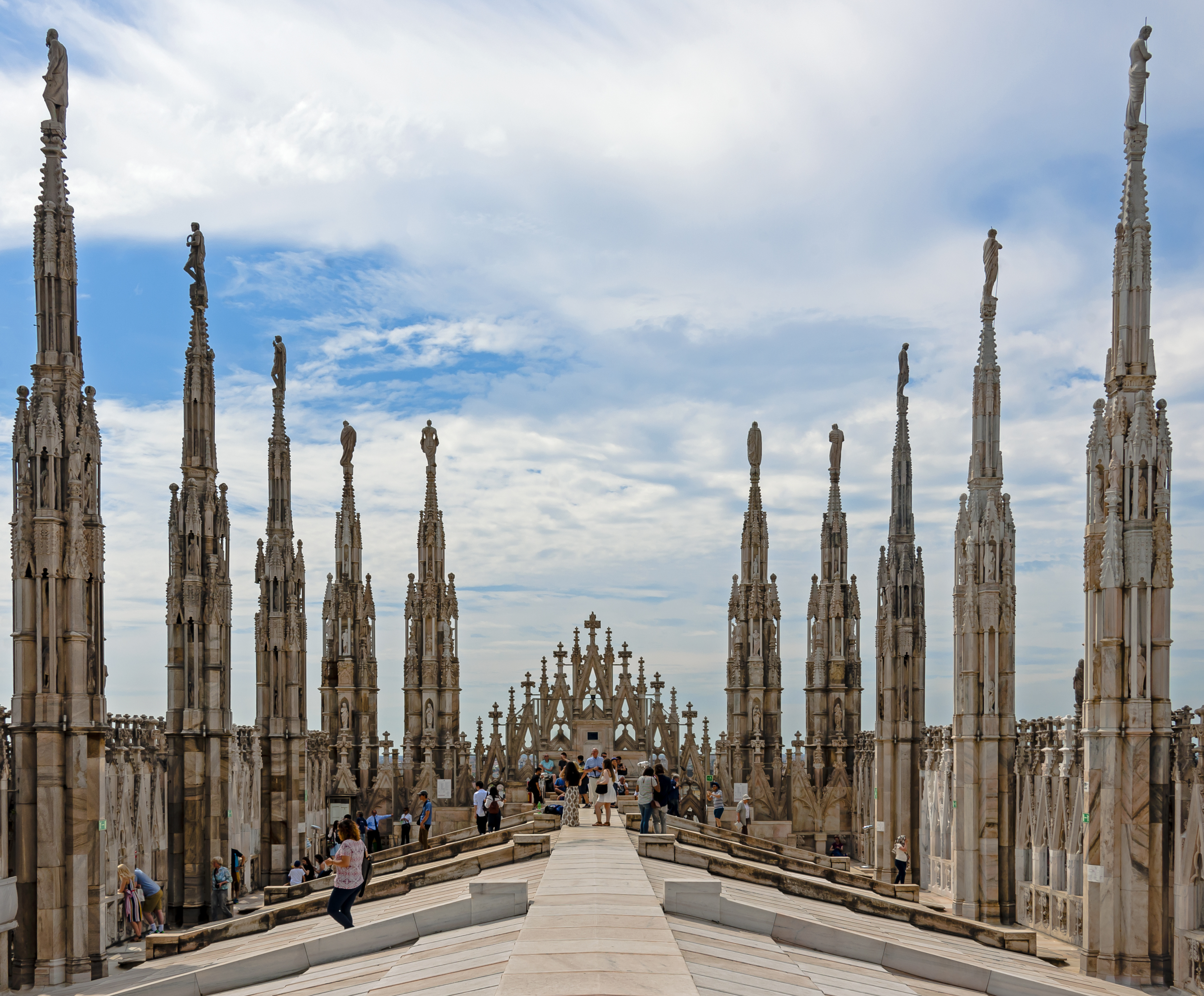 Milan's Duomo di Milano - Italy's most famous cathedral with 135 spires and a rooftop terrace above the city
Milan's Duomo di Milano is the third-largest cathedral in the world, built over six centuries with 135 spires and 3,400 statues on the exterior alone. Duomo di Milano rooftop access tickets cost €19 and the forest of white marble spires at close range with the Alps visible on clear days is unlike anything else in Italy. Rating: 4.5 from 3,176 reviews. The National Museum of Science and Technology Leonardo da Vinci (€13) is the largest science museum in Italy. Leonardo's Last Supper (Santa Maria delle Grazie, €15) requires booking 8-12 weeks ahead - the viewing room holds 30 people at a time for 15 minutes only.
Beyond the Big Four: Verona, Vesuvius, Cinque Terre, and the Amalfi Coast
The travelers who get the most from Italy are usually the ones who build in at least one destination outside the Rome-Florence-Venice-Milan circuit.
Verona is 2 hours from Venice by train (€10-€20) and earns its reputation as one of the most complete medieval cities in Italy. The Arena di Verona - a 2,000-year-old Roman amphitheatre still used for opera performances - is the centerpiece. The VeronaCard 24 or 48 hour city pass (€30) covers the Arena, Juliet's House, the Castelvecchio museum, and public transport. Rated 4.6 from 1,650 reviews.
Mount Vesuvius is 30 minutes from Naples. Mount Vesuvius entry with return transport from Ercolano costs €31 (discounted from €38) and includes the bus transfer to the summit car park plus the 30-minute walk to the crater rim. The views over the Bay of Naples - Capri, Ischia, Sorrento, and Naples city spread below - are spectacular. Combine with Herculaneum (€15 entry) for a full day that most travelers say outranks Pompeii.
Cinque Terre (the five cliff villages on the Ligurian coast, 3 hours from Florence by train) requires the Cinque Terre Card (€7.50/day) for the coastal walking trail. The Vernazza-Monterosso section is the most dramatic - 90 minutes of clifftop trail with sea views. Book accommodation in the villages rather than La Spezia if you want the actual experience.
How Much Does Italy Cost? A Real Daily Budget Breakdown
| Category | Budget Traveler | Mid-Range | Luxury |
|---|---|---|---|
| Accommodation | €30-€60/night | €85-€160/night | €200-€600/night |
| Food | €20-€35/day | €45-€75/day | €100-€250/day |
| Transport | €5-€15/day | €15-€30/day | €30-€80/day |
| Activities | €20-€45/day | €50-€95/day | €100-€250/day |
| Daily Total | ~€75-€155 | ~€195-€360 | ~€430-€1,180+ |
Italy's food-to-price ratio for budget travelers is outstanding if you eat Italian rather than tourist. A cornetto and espresso at a bar counter: €1.50-€2.50. Pizza al taglio (pizza by the slice): €2-€4. A full pranzo fisso at a trattoria: €12-€15. Dinner at a neighborhood osteria: €20-€30 per person with wine. The tourist trap version of each costs 3-4x these prices and is usually worse quality. Italy attraction combo deals and multi-site tickets regularly save €5-€15 versus booking each entry separately - the Uffizi plus Florence Duomo bundle and Herculaneum plus Vesuvius are the most useful combinations.
Practical Tips Before You Visit Italy
EU citizens and UK passport holders enter visa-free for stays under 90 days. Currency is Euro everywhere. ATMs are widely available - avoid dynamic currency conversion (always choose to pay in Euro). Tipping: not customary or expected in Italy. Rounding up the bill is polite; 10-15% American-style tipping is not the norm. Some restaurants add a coperto (cover charge) of €1.50-€3 per person - this is legal and disclosed on the menu, not a scam.
Dress code is enforced at the Vatican, all churches, and most basilicas: covered shoulders and knees for all visitors regardless of gender. Security at St. Peter's will turn you away. Keep a light layer in your bag from day one. Pickpocketing is active on Rome's bus routes 40/64 and around Termini station; Milan's metro during rush hour; and Venice's main vaporetto stops. Front pockets, cross-body bags, money belts for passports.
My Honest Take on Italy
Italy is the most rewarding country in Europe for travelers who plan ahead and the most frustrating for those who don't. The gap between the experience of someone who pre-booked the Colosseum, Uffizi, and Vatican three weeks ahead versus someone who arrived without tickets is not small - it's the difference between a transformative trip and an expensive queue-standing exercise. The single most important piece of Italy travel advice: book your headline attractions before you buy your flights. Not after. Before.
Who gets the most from Italy: anyone with even a passing interest in art, architecture, or history - the density of genuinely extraordinary things is unmatched anywhere on earth. Food travelers who eat where locals eat rather than where tourists are directed. People who choose one region and go deep rather than trying to cover six cities in ten days. Start with Italy's most popular experiences and current ticket prices - lock in the Uffizi, Colosseum, Vatican, and Brunelleschi Dome before anything else. The restaurant choices and the wandering can be spontaneous. The museum access cannot.


