
Chiang Mai Hill Tribes Trekking Tour: Culture and Nature in Northern Thailand
Northern Thailand's Chiang Mai province contains some of the country's most diverse mountain landscapes and is home to numerous ethnic minority hill tribe communities who have maintained distinct cultural traditions for generations. The hill tribes of northern Thailand include the Karen, Hmong, Akha, Lisu, Lahu, and Yao peoples, each with their own languages, dress, agricultural practices, and customs. A guided trekking tour into the hills north and west of Chiang Mai offers access to these communities alongside natural highlights including the spectacular Chiang Dao Cave.
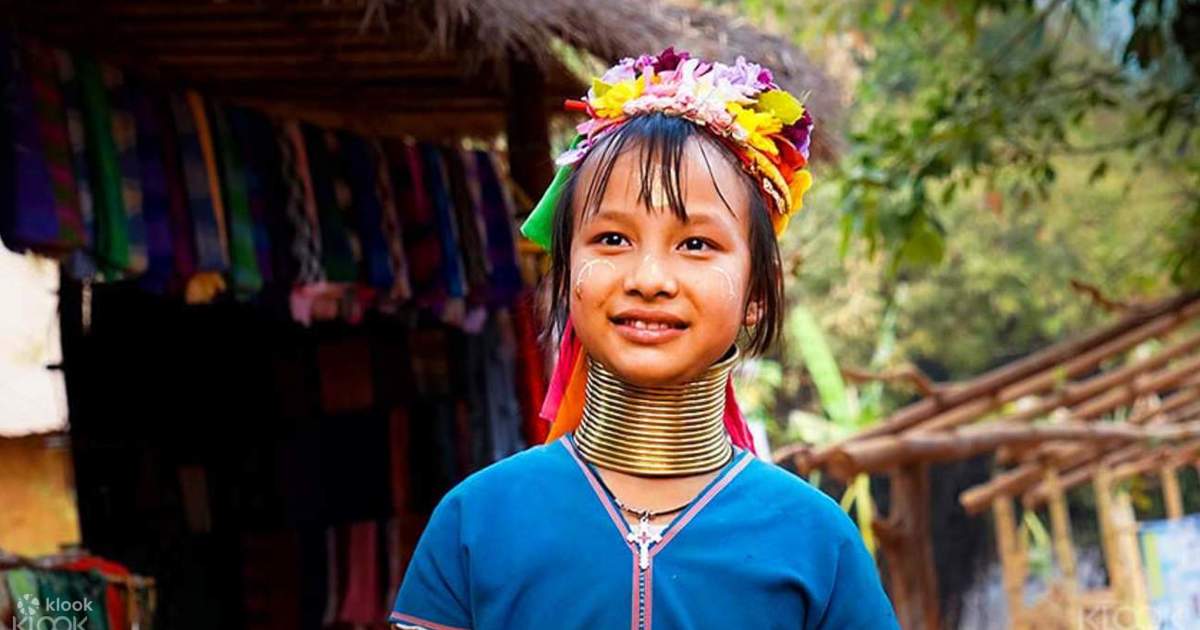
Book the Chiang Dao Cave and Karen Long Neck Village tour on Klook which combines trekking through forested hillsides, a visit to a Karen hill tribe village where women traditionally wear brass neck rings, and a guided exploration of Chiang Dao Cave, one of northern Thailand's most impressive limestone cave systems. The tour typically departs from Chiang Mai in the morning and returns by late afternoon, making it a full day of contrasting cultural and natural experiences.
The Hill Tribe Communities of Northern Thailand
The hill tribe communities of Chiang Mai province are a complex subject that deserves thoughtful engagement. The Karen are the most numerous of the hill tribes in Thailand with a population of around 450,000 in the country. The branch of the Karen people most often associated with tourism is the Kayan subgroup, known in tourist literature as the Long Neck Karen for the tradition among women of wearing brass rings around their necks from childhood, gradually adding rings to create the appearance of an elongated neck. This tradition has specific cultural significance within the Kayan community.
Responsible tourism to hill tribe communities means visiting villages that are genuine communities rather than constructed tourist showcases, working with operators who ensure that tourism income reaches the community members themselves, and approaching the visit with respect and curiosity rather than treating community members as photographic subjects. The best tours include a local guide from the community or a guide with longstanding relationships with the villages, and they provide context about the history, language, and economic situation of the people you are meeting.
Chiang Dao Cave
Chiang Dao Cave sits at the base of Doi Chiang Dao mountain, which at 2,175 meters is the third highest peak in Thailand. The cave system extends over 10 kilometers into the mountain, making it one of the most extensive cave systems in Southeast Asia, though only a portion is accessible to visitors. The accessible sections contain impressive stalactite and stalagmite formations along with a resident population of bats. The cave has religious significance and contains several Buddhist shrines and statues placed at various points inside.
The first section of the cave nearest the entrance is well lit with electric lighting. Deeper sections require a local guide with a lantern, and these guided sections are where the most dramatic formations are found. The guided lantern tour takes approximately 45 minutes to one hour and involves some low passages and uneven surfaces. The cave's temperature is noticeably cooler than the outside air, providing a welcome respite on hot days. Outside the cave entrance, a garden with small ponds and forest vegetation creates a pleasant setting for breaks between the cave and trek portions of the tour.
| Activity | Duration | Details |
|---|---|---|
| Chiang Dao Cave Lit Section | 30 min | Self-guided with electric lighting |
| Chiang Dao Cave Lantern Tour | 45-60 min | Local guide required, deeper formations |
| Karen Village Visit | 60-90 min | Cultural interaction, village walkthrough |
| Hill Trek | 2-3 hours | Forest paths, viewpoints, local flora |
| Elephant Interaction (some tours) | 45-60 min | Optional add-on at ethical sanctuaries |
Trekking in the Hills Around Chiang Dao
The trekking component of these tours passes through forested mountain terrain with excellent birdwatching opportunities. The Chiang Dao Wildlife Sanctuary adjacent to the mountain contains over 300 bird species, making it one of the premier birdwatching destinations in mainland Southeast Asia. Even visitors without specific birding interest often spot colorful species including pheasants, hornbills, and various sunbird species on the trail. The forest at altitude is noticeably different from the lowland vegetation, with taller trees, greater biodiversity, and the sounds of a healthy ecosystem.
The trek sections are generally moderate in difficulty, involving walking on forest paths with some elevation change. Good walking shoes with ankle support are recommended rather than sandals. The scenery along the trail ranges from open views across the Chiang Dao valley to dense forest sections where the tree canopy blocks the sun. The combination of forest trekking, cave exploration, and cultural village visits makes this one of the more varied and intellectually engaging day trips available from Chiang Mai, quite different in character from the Elephant Jungle Sanctuary which is more focused on the wildlife experience.
- Wear sturdy walking shoes with ankle support for forest trails
- Long sleeves and pants reduce insect bites on the trail
- Bring insect repellent for both jungle and cave sections
- A small daypack with water, snacks, and sunscreen is essential
- Respect photography etiquette in hill tribe villages - ask before photographing people
- Book tours that work with community-based guides for ethical tourism
- Bring a light layer for the cool interior of Chiang Dao Cave
| Info | Details |
|---|---|
| Distance from Chiang Mai | ~70 km north to Chiang Dao area |
| Best Season | November to February (cool and dry) |
| Physical Demand | Moderate - 3-4 km walking on forest paths |
| Tour Duration | Full day, approximately 8-9 hours |
| Includes | Transport, guide, cave entry, meals |
| Cave Entry | 40 THB (lantern guide additional 150 THB) |
Best Time to Visit Chiang Mai for Trekking
The cool season from November to February offers the best trekking conditions in northern Thailand. Temperatures in the mountains can drop to 10-15 degrees Celsius at night and remain comfortably cool during the day, making walking much more pleasant than during the hot months. The dry season also means clearer paths, less mud, and no leeches on the trail. The forest vegetation is less lush than during the rainy season but visibility through the trees is better.
The hot season from March to May brings high temperatures and increasingly poor air quality due to agricultural burning across northern Thailand and neighboring Myanmar. Trekking in smoke-hazy conditions is uncomfortable and potentially unhealthy, so the mid-March to late April window is generally best avoided. The rainy season from June to October brings lush green landscapes and waterfall activity but also muddy trails, leeches, and the need for rain gear on most days. For visitors interested in a different kind of Chiang Mai activity, the Elephant Jungle Sanctuary operates year round and provides a great complement to the trekking and cave visit.
Cultural Sensitivity and Responsible Hill Tribe Tourism
Visiting hill tribe communities comes with important responsibilities. Photography of people requires their consent, and photographing community members as if they were tourist attractions without their awareness or agreement is disrespectful. Purchasing handicrafts directly from community members rather than from outside commercial operations ensures that income reaches the people whose culture you are visiting. Buying products like woven textiles, carved items, and silver jewelry directly from makers is both more ethical and often results in more authentic and interesting purchases.
The hill tribe communities of northern Thailand have complex legal and historical relationships with the Thai state, including issues around citizenship, land rights, and cultural preservation. Understanding these contexts even at a basic level adds depth to the experience of meeting these communities. Good guides will provide accurate and sensitive information about the history and current situation of the people you are visiting. After returning to Chiang Mai, the old city temples and evening night market provide a good transition from the rural hill country back to urban culture. The Bangkok evening food tour in Bangkok, when you travel south, offers another cultural layer to your Thailand experience.
Getting a Thailand Visa and Entry Requirements
Most visitors to Thailand can obtain a visa on arrival or qualify for a visa exemption depending on their passport. Citizens of over 60 countries including the United States, United Kingdom, Australia, most EU nations, and many Asian countries can enter Thailand without a visa for stays of up to 30 days (with some countries receiving 60 days). The visa exemption policy has been expanded and extended multiple times in recent years and Thailand actively encourages tourism. Always verify the current requirements with the Royal Thai Embassy in your country before traveling, as policies can change.
For stays longer than the visa exemption period, a tourist visa (TR) can be applied for at a Thai embassy or consulate in your home country before departure. The tourist visa allows a 60-day stay with a possible 30-day extension at a Thai immigration office. Thailand has land borders with Myanmar, Laos, Cambodia, and Malaysia, and many long-term visitors use border crossing runs to renew their visa exemption status, though immigration policy on this practice has tightened. Once in Thailand, the Grand Palace and cultural sites in Bangkok make excellent first stops before heading to beach destinations or the north.
Transportation Within Thailand
Thailand has an extensive domestic transportation network that makes it easy to travel between regions. Bangkok's international Suvarnabhumi Airport (BKK) and the older Don Mueang Airport (DMK) both handle international and domestic flights. Thai Airways, Bangkok Airways, Air Asia, Nok Air, and Lion Air operate frequent domestic routes connecting Bangkok to Chiang Mai, Phuket, Krabi, Ko Samui, and other major destinations. Domestic flights are affordable and the journey from Bangkok to Chiang Mai takes approximately one hour versus 10-12 hours by train or bus.
The overnight sleeper train from Bangkok to Chiang Mai is a classic Thailand experience, departing Hua Lamphong station in the evening and arriving the next morning. The train is comfortable with private sleeper berths available and the views of the central plains and northern hills are excellent. For shorter distances, Thailand's extensive bus network connects cities and towns throughout the country at low cost. Tuk-tuks and songthaews (shared pickup trucks) provide local transportation within cities and towns. In Bangkok, the BTS Skytrain and MRT metro systems are efficient for navigating the city. The Bangkok food tour by tuk-tuk gives you a genuine tuk-tuk experience while exploring the city's best food neighborhoods.
Budget Planning for Thailand
Thailand offers excellent value across all budget levels. Budget travelers can live comfortably on USD 30-50 per day covering guesthouses, street food, local transportation, and attraction entry fees. Mid-range travelers spending USD 80-150 per day can stay in comfortable hotels, eat at sit-down restaurants, and book organized tours. Luxury travel is also available at internationally competitive prices with world-class resorts available throughout the country.
The biggest expense categories for most visitors are accommodation, day trips, and alcohol. Street food meals typically cost 50-150 THB (USD 1.50-4.50), while restaurants serving international food charge 300-600 THB (USD 9-18) per person. Organized day tours like the Ayutthaya temples tour or the Phi Phi Islands day trip typically cost USD 25-70 per person. Temple entry fees are generally 50-200 THB while major attractions like the Grand Palace cost 500 THB. Budget carefully for southern Thailand islands where boat tours and accommodation are significantly more expensive than the mainland.
| Expense Category | Budget (THB/day) | Mid-Range | Luxury |
|---|---|---|---|
| Accommodation | 300-600 THB | 1,200-3,000 THB | 5,000+ THB |
| Food | 200-400 THB | 600-1,500 THB | 2,000+ THB |
| Local Transport | 100-200 THB | 300-600 THB | 800+ THB |
| Activities/Tours | 500-1,000 THB | 1,500-4,000 THB | 4,000+ THB |
| Total Daily Estimate | ~1,100-2,200 THB | ~3,600-9,100 THB | ~11,800+ THB |
Thailand Itinerary Ideas
A classic one-week Thailand itinerary covers Bangkok for three days, then flies to Phuket or Krabi for four days of beaches and islands. In Bangkok, the Grand Palace half-day tour on day one, the Damnoen Saduak Floating Market on day two morning, and the Ayutthaya day trip on day three gives an excellent cultural foundation. In the south, the Phi Phi Islands day tour and the James Bond Island Phang Nga Bay tour cover the two best day trips from Phuket.
A two-week itinerary can add Chiang Mai in the north for three to four days, with the Elephant Jungle Sanctuary and the Chiang Mai hill tribes trekking tour as the main activities. An evening Muay Thai boxing match in Bangkok and the Bangkok evening street food tour complete the Bangkok nights experience. For those with three weeks, adding the Krabi area for Krabi 4 Islands snorkeling and time on Koh Samui or Koh Phangan gives a comprehensive Thailand experience covering culture, nature, wildlife, and beach life.
Health and Safety in Thailand
Thailand is generally a safe destination for international visitors. The main health considerations are sun protection, hydration in the tropical heat, and food safety. Drink bottled or filtered water rather than tap water throughout the country. Street food from busy stalls with high turnover is generally safe and far fresher than food that has been sitting. Hepatitis A, typhoid, and routine vaccinations are recommended for visits to Thailand. Dengue fever is present throughout the country so using insect repellent, particularly at dawn and dusk in outdoor areas, is advisable.
Travel insurance with medical coverage and evacuation coverage is strongly recommended for Thailand. The country has excellent hospitals in Bangkok, Chiang Mai, and Phuket with internationally trained doctors, but medical care can be expensive. Thailand's political history has seen periods of instability and occasional coups, but the country has remained stable for visitors in recent years and tourism infrastructure continues to develop. The Thailand Tourism Authority (TAT) operates assistance centers in major tourist areas and at airports.
Photography Tips for the Chiang Mai hill tribe areas
Photographing the Chiang Mai hill tribe areas well requires understanding the best light conditions and camera positions. The golden hour immediately after sunrise and in the hour before sunset produces the warmest and most flattering light for both architectural and landscape photography. At many popular Thailand sites, arriving for sunrise is worthwhile not only for the light but also because you will have the site largely to yourself before the tour buses arrive. At outdoor sites with reflective water surfaces, calm mornings produce the best reflections and mirror-like conditions that disappear once wind picks up.
Photography at hill tribe villages should prioritize respect over compositions - wide establishing shots of the village environment are less intrusive than close portrait shots. Standard photography guidelines apply throughout: shoot in RAW format if your camera supports it for maximum post-processing flexibility, bring extra batteries as cold temperatures drain batteries faster, protect your equipment from rain and dust with appropriate cases, and use a polarizing filter for shots of water and sky which dramatically reduces glare and deepens colors. A travel tripod is worth carrying for interior low-light shots at temples and museums where flash is typically not permitted.
Chiang Dao Cave photography in the illuminated sections works well with a phone but the lantern-guided deeper sections require a camera with good high-ISO performance. Photographing people at markets, temples, and cultural sites in Thailand should always involve seeking permission, particularly for close portrait shots. Most people are happy to be photographed when asked respectfully, and the gesture of asking rather than photographing without awareness is both ethical and often results in better photographs as subjects are more relaxed and engaged. At busy tourist sites, patience pays off: waiting for a clear moment when other tourists are not in the frame often means waiting only a few minutes at less popular viewpoints, while major landmarks may require either very early arrival or longer waits for clear compositions.
Where to Stay in Chiang Mai
Chiang Mai has accommodation options across a wide range of price points and styles. Budget travelers will find guesthouses and hostels in the Old City area area of the city or town from approximately USD 10-20 per night, often with breakfast included and common areas that make meeting other travelers easy. These budget options are clean and functional if not luxurious, and their central locations offset the lack of amenities. For those who prefer more comfort, USD 40-80 range hotels offer private rooms with air conditioning, en-suite bathrooms, reliable WiFi, and often swimming pools.
Luxury travelers will find internationally branded hotels as well as boutique hotels in heritage buildings that combine high standards of service with locally distinctive character. Thailand has invested substantially in tourism infrastructure and the quality of accommodation at all price levels has improved significantly over the past decade. Booking in advance is strongly recommended for visits during peak season when the best-value properties fill up weeks or months ahead. Staying in the most central area of Chiang Mai generally adds convenience and reduces transportation costs, though properties slightly outside the tourist center often offer better value and a more local atmosphere.
Disclosure: This article contains affiliate links. If you book through our Klook links, we may earn a small commission at no extra cost to you. This helps us keep producing free travel guides for readers like you. We only recommend experiences we genuinely believe are worth your time and money.


