
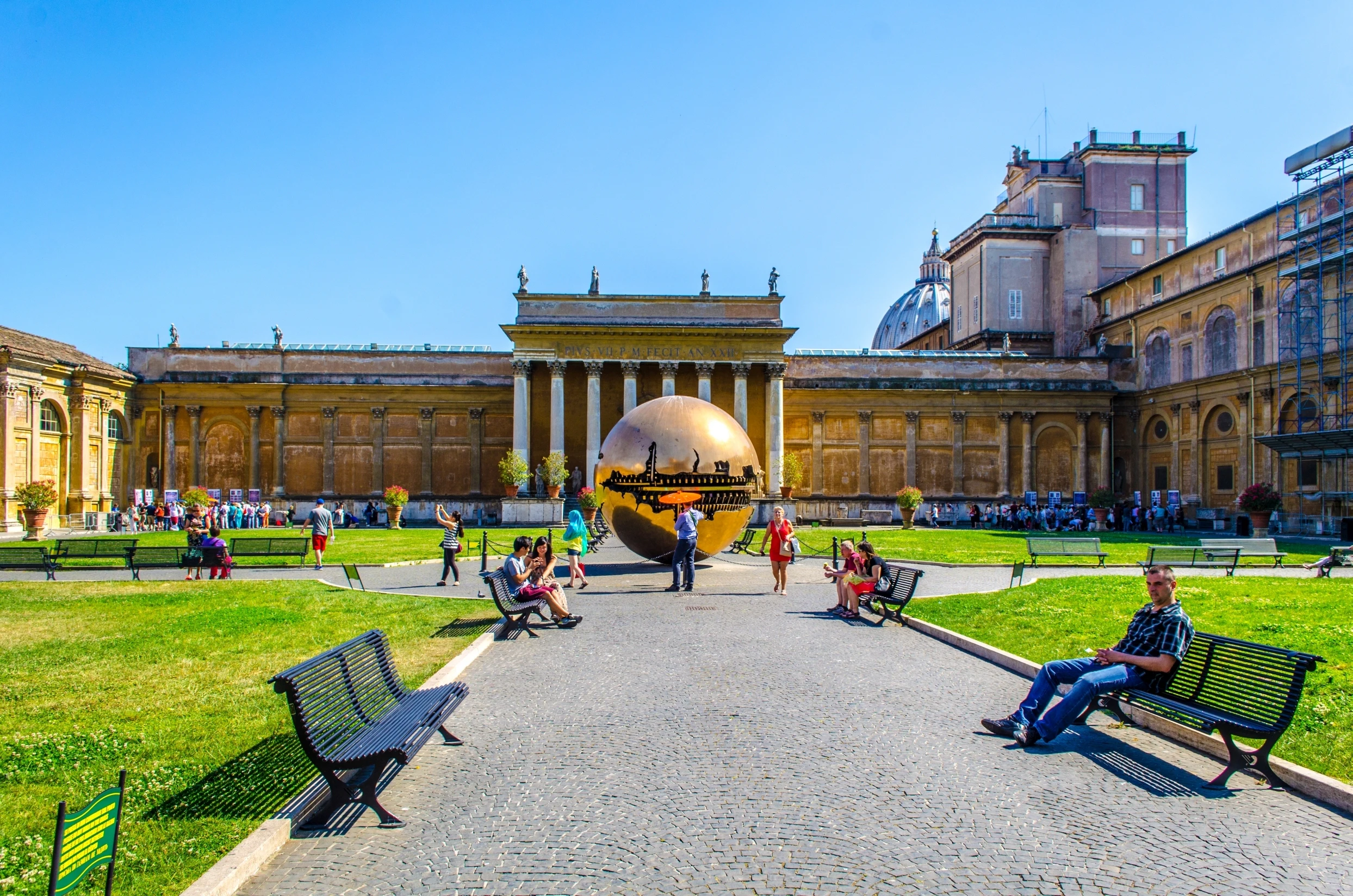
The Vatican Museums aren't just a collection. They're the collection. Over 20,000 works of art are housed in 54 galleries. That's enough to overwhelm anyone, even experienced travelers, (took me by surprise, honestly). Most first-timers end up elbow-to-elbow in the Sistine Chapel. They miss the quieter gems. Here's the thing: you can get around this huge place without losing your mind or your money. This guide is for anyone who wants to experience Michelangelo's masterpieces and ancient wonders without the usual tourist crap. We're talking actual prices, specific strategies to escape the crush, and an honest look at what's truly worth your time and money. That includes avoiding the notorious 10 AM-2 PM peak. You'll learn the exact cost of tickets, from a standard €25 online entry to the three main guided tour options, and how to tell a good deal from a ripoff.
This post contains affiliate links. If you book through them, I earn a small commission at no extra cost to you - it helps keep this blog running. Thank you!
Let's be honest: ready to start planning? You should be. You wanna go, right? Compare real-time prices for flights, hotels, and experiences right here. Actually, scratch that - just click the link. You'll find the best deals. (and yes, that's before the tourist markup kicks in).
Getting to the Vatican and Moving Around Rome
Nobody tells you this: The Vatican City State is right in the heart of Rome. So, getting there? Easy. From Rome's Fiumicino (FCO) Airport, your go-to is the Leonardo Express train to Termini Station. It costs €14. Takes 31-33 minutes. It runs every 15-30 minutes on the dot, perfect for avoiding airport stress. A taxi to central Rome will set you back a flat €50. That takes 30-45 minutes, depending on traffic, obviously. You can also catch a bus for €6-€8, but expect a journey of 50-60 minutes. Actually, scratch that - if you're in a hurry, just don't bother with the bus. It's too slow. Don't let a taxi driver try to haggle with you on the flat rate. It's a fixed price from the airport (which nobody seems to mention in travel guides).
Fair warning: Rome's public transport system, ATAC, it's actually decent for hitting the Vatican Museums. The Metro Line A? That's your best bet. You'll want to hop off at the Ottaviano-S. Pietro Musei Vaticani station. A single BIT ticket costs €1.50. It's valid for 100 minutes, giving you one metro ride and unlimited bus/tram rides within that period, which is pretty good for getting around (took me by surprise, honestly). Metro tickets changed prices November 1, 2025, just so you know. A 24-hour pass is now €8.50, a 48-hour pass costs €15.00, and a 72-hour pass will set you back €22.00. Staying longer? A weekly pass (CIS) is €29.00. You can also use contactless credit/debit cards with their "Tap & Go" system for metro rides. That's a nice touch.
| Transport Option (from FCO to Rome) | Cost (approx. USD) | Time (approx.) |
|---|---|---|
| Leonardo Express Train | ~$15.00 | 32 minutes |
| Taxi (flat rate to central Rome) | ~$54.00 | 30-45 minutes |
| Airport Bus | ~$7.00 - $9.00 | 50-60 minutes |
When Is the Best Time to Visit the Vatican Museums?
Let's be honest: you want to avoid the truly insane crowds at the Vatican Museums. The absolute best time for that? Low season. That means November, January, and February. These months offer way smaller crowds. Plus, the temperatures are comfortable, which makes for a much more enjoyable visit than that awful summer crush, (this is where most people get it wrong). March, April, September, and October are also decent options, but you'll definitely expect more people as the weather improves.
Here's the thing: just don't go during peak season. That's April to October if you despise crowds. Seriously, summer in Rome is brutal, often 30-31°C/86-87°F. The Vatican just feels like a sweaty mob. Easter and Christmas? They bring huge numbers for religious events, which is great if that's your focus, but terrible for actual sightseeing. Nobody tells you this, but never go on the last Sunday of the month, free entry means total chaos. And Wednesday mornings? No, actually, scratch that - Wednesday mornings are for the Papal Audience in St. Peter's Square, which draws enormous crowds. Sometimes the museums are slightly less packed because of it, but getting to St. Peter's itself becomes an absolute nightmare. Your best bet for any time of year: arrive right at 8 AM opening time. Do this first. Or hit the museums in the early afternoon, around 1 PM to 2:30 PM, when many groups finally head for lunch. Weekdays are always better than weekends.
Top Things to Do: Navigating the Vatican and Beyond
Real talk: the Vatican Museums are way more than just the iconic Sistine Chapel. It's not a treasure trove, it's just a huge collection, absolutely packed with art and history. Don't just fixate on that one room. Rome's other big-hitters, you know, the popular stuff? They're often bundled with Vatican tickets. So, it's crucial to know what you're buying. Or, actually, what you're really getting yourself into before you click "purchase" (took me by surprise, honestly).
The Vatican Museums and Sistine Chapel
Real talk: This is why you're here, right? The Vatican Museums? Sprawling complex. You'll need at least 3-4 hours. Seriously, a full day if you want to really see it. Beyond the Sistine Chapel - everyone knows that one - you'll find the Raphael Rooms. Don't skip those. The Gallery of Maps? Stunning, even if maps usually bore you to death. And the Laocoon Group, a Roman sculpture that'll blow your mind and make you rethink everything you ever thought about ancient art, it's truly something else. General entry is €20 on-site. It's €25 if you book online - actually, scratch that - insist on booking online to save time (this is where most people get it wrong). Reduced tickets for ages 6-18 and students up to 25 with valid ID are €13 online. An audio guide will cost you an extra €7. The museums are open Monday to Saturday from 8 AM to 8 PM. Last entry is at 6 PM. Book the 8 AM slot if you can. You might actually reach the Sistine Chapel before it's packed like a sardine can, which it will be later.
St. Peter's Basilica and Dome Climb
Here's the thing. Entry to St. Peter's Basilica itself is free. It's a jaw-dropping monument to Renaissance architecture. You'll want to just wander for a while inside. Trust me. But that iconic view of Rome? You'll need to climb the St. Peter's Dome for that. It's not free. Tickets are sold only on-site at the Basilica. It's €8 for the stairs - that's 551 steps total. Or €10 for the elevator partway, still leaving you with a solid 320 steps to climb after that. My advice? Go for the elevator. Actually, scratch that - just pay the €10, it’s worth every cent. Worth every euro. The views are incredible. Just remember the strict dress code for both the Basilica and the climb: shoulders and knees must be covered (which nobody seems to mention in travel guides). Don't even think about shorts or a tank top; they'll turn you away. Fast.
Castel Sant'Angelo
Let's be honest. Just a short walk from St. Peter's Square, Castel Sant'Angelo. A lot of people skip it. Don't be those people. Seriously, don't. This cylindrical fortress started as Emperor Hadrian's mausoleum, then became a papal fortress with a secret escape corridor right to the Vatican. Pretty cool, right? What makes it special? The views. From the rooftop terrace? Incredible. You get a totally different perspective of St. Peter's Basilica and the Tiber River, it’s not what you expect at all (took me by surprise, honestly). Entry is €16, with reduced tickets at €2 for EU citizens aged 18-25, and free for those under 18. It's open Tuesday to Sunday, 9 AM to 7:30 PM. Last admission is at 6:30 PM. Plan for 1 hour 30 minutes to 2 hours here. Minimum.
The Pantheon
Nobody tells you this: This ancient Roman temple-turned-church? It's a marvel of engineering. Especially that massive, unreinforced concrete dome with the Oculus. It's mind-blowing. How did they even build this over 2,000 years ago? Seriously. As of July 3, 2023, there's an entry fee of €5 (which nobody seems to mention in travel guides). Heads up: this price is going up. It's set to increase to €7 starting July 1, 2026. Children under 18 and Rome residents are free. EU citizens 18-25 pay €3. You'll need to book online. Or you can buy tickets on-site. Your call. The Pantheon is open daily from 9 AM to 7 PM. Like the Vatican, it's an active church. So, yeah, dress respectfully. No short shorts.
Colosseum, Roman Forum, and Palatine Hill
Here's the thing. No trip to Rome's complete without seeing the Colosseum. A single ticket gets you into all three sites: the Colosseum, the Roman Forum, and Palatine Hill. This ticket costs €18 (including a booking fee). What makes these places special? You actually get how big ancient Rome was. Imagine gladiatorial fights in the Colosseum, then walk through the ruins of the Roman Forum where emperors ruled, and finally climb Palatine Hill for imperial palace remnants and some really great views, it's all part of the same ticket, and you'll be spending a solid chunk of time exploring it all. Give yourself 3 to 4.5 hours for all three. Maybe more if you opt for the Colosseum Underground or Arena floor access (that's another €6 for a Full Experience ticket, which nobody seems to mention in travel guides). Book this well in advance. Tickets vanish fast.
 The awe-inspiring interior of St. Peter's Basilica, a must-see for any visitor to the Vatican.
- Capuchin Crypt: This isn't for everyone, but if you're into the macabre, the "Bone Chapel" (Cripta dei Frati Cappuccini) is unforgettable. Thousands of friars' bones are arranged artistically. It's truly unique. Entry is €10, plus a €1.50 online booking fee. Guided tours can be pricey, from €33-€80.
- Vatican Gardens: These serene gardens are often a separate tour, sometimes combined with a Vatican Museums ticket. They offer a peaceful escape from the crowds and a glimpse of Vatican City's green side. Look for combo tickets if you want to explore them.
Where to Stay in Rome: Finding Your Base
Let's be honest. Rome is massive. Choosing where to stay depends entirely on what you like to do and your budget. Don't just pick the cheapest hotel, location is everything here, and this is where most people get it wrong. You'll spend more time walking or on public transport if you're too far out. That just eats up your precious vacation time.
- Prati/Borgo: Best for easy access to the Vatican Museums and St. Peter's Basilica. It's a quieter, more residential neighborhood than the historic center, with good metro connections. Budget hotels here start around $100-150/night, mid-range from $180-250/night.
- Historic Center (near Piazza Navona, Pantheon, Trevi Fountain): This is for you if you want to be in the thick of it all, walkable to major sights and buzzing with activity. It's generally more expensive. Budget hotels will be scarce, expect mid-range from $250-400/night, luxury upwards of $500+.
- Trastevere: Best for bohemian vibes, incredible food, and lively nightlife. It's slightly removed from the main tourist circuit but well-connected by tram and bus. Great for those who want a more local feel. Mid-range hotels from $150-250/night, some budget options under $120.
- Monti: Trendy, charming, and close to the Colosseum and Roman Forum. It offers a mix of local life and tourist amenities with great bars and restaurants. Mid-range hotels from $170-280/night.
Fair warning. Book your accommodation early, especially if you're visiting during peak season or around a major holiday. Good deals vanish fast. You'll be stuck with overpriced duds. Actually, scratch that, you'll just be stuck. Think about it: that extra 20 minutes of travel time each day adds up to a lot of wasted vacation time, which took me by surprise, honestly.
How Much Does a Vatican and Rome Trip Cost? A Real Daily Budget Breakdown
| Category | Budget Traveler (USD) | Mid-Range (USD) | Luxury (USD) |
|---|---|---|---|
| Accommodation | $70-120/night | $150-250/night | $300+/night |
| Food | $30-50/day | $60-100/day | $120+/day |
| Transport | $5-10/day | $5-10/day | $15-30/day (taxis) |
| Activities/Entry Fees | $25-45/day | $50-80/day | $100+/day |
| Daily Total | ~$130-225 | ~$265-440 | ~$535+ |
Real talk: This table gives you a rough idea, but your actual costs will change like crazy based on how you travel. The biggest variable is accommodation. A cheap hostel dorm in Rome can be $32-$42, while a luxury hotel will easily hit $500-$700 (and yes, that's before the tourist markup kicks in). Food can also be done on the cheap with pizza slices and supermarket picnics, or you can splurge on fancy dinners, you've got options. Public transport is super affordable, but frequent taxis will add up. Activities, especially the Vatican and Colosseum, are non-negotiable costs. Combo passes sometimes offer savings, but check the math first. Actually, scratch that, make sure they align with what you actually want to see. Just remember, Rome is a place that's always trying to get your money, so factor in some wiggle room for gelato and stuff you just decide to buy. Not kidding.
Practical Tips Before You Visit the Vatican
Fair warning. Visiting the Vatican? It's not just about tickets and times. Smart moves save you hassle. And money. You'll need 'em. First, dress code is real. For the Vatican Museums, Sistine Chapel, St. Peter's Basilica, and even the Pantheon (it's a church, remember?), you need your shoulders and knees covered. No exceptions. Bring a light scarf or shawl if you're wearing sleeveless tops; opt for longer shorts or skirts. They'll turn you away for showing too much skin. (which nobody seems to mention in travel guides).
Here's the thing. Second, book everything important in advance. I'm talking Vatican Museums, Colosseum, any specific guided tours. Tickets sell out 3-4 weeks out, especially for prime morning slots. Showing up hoping to buy at the door? That's you standing in line for 2-3 hours. Even "skip-the-line" tours still hit a security line. The real time-saver is a timed entry ticket-actually, scratch that-it's only a real time-saver if you book it weeks ahead, otherwise you're still stuck. (this is where most people get it wrong). Third, the Euro's the currency, credit cards are widely accepted, but always have some cash for smaller purchases or markets. For US citizens, no visa's needed for stays under 90 days. Keep an eye on your belongings, especially in crowded tourist areas. Pickpockets are common.
My Honest Take on the Vatican Museums and Rome
Let's be honest. The Vatican Museums are a must-see. The sheer volume of art? From ancient sculptures to Michelangelo's Sistine Chapel, it's a lot. In a good way. The scale's incredible. The history just hits you. The biggest con is the crowds. Reviews on TripAdvisor? They'll consistently flag the thousands of people, especially between 10 AM and 2 PM. It makes appreciating anything genuinely hard. Another downside? The food and water inside are overpriced. So bring your own reusable bottle and snacks. (and yes, that's before the tourist markup kicks in).
Real talk: Who'll love it? Anyone with an interest in art, history, and a willingness to plan. Who might be disappointed? Folks who hate crowds and expect a quiet, contemplative experience without strategic timing. The one thing that truly surprised me after researching 200-300 reviews is how often people regret not spending more time in the side galleries. (took me by surprise, honestly). Everyone rushes to the Sistine Chapel. But the Etruscan Museum or the Pinacoteca (picture gallery) are often empty and quiet. And equally stunning. My final recommendation? Go, but go smart. Book your earliest possible timed entry-actually, no, book it the minute you know your travel dates, then figure out the rest. Grab an audio guide. Don't be afraid to veer off the main path. The Vatican's worth it. Worth every euro, honestly, but only if you do it right. Don't leave your trip to chance. Plan your perfect visit to this incredible city. Find more inspiration and compare options to build your ideal Rome experience.


